The Role of Home Air Flow in Protecting Against Mold And Mildew and Indoor Allergens
Home ventilation is an essential component in keeping a healthy and balanced indoor atmosphere. It regulates moisture levels, which can protect against the growth of mold and the buildup of allergens. Many house owners overlook the importance of proper air flow, often causing hidden concerns. Comprehending how air flow systems feature and their effect on air quality could be the key to a healthier home. What actions can be taken to boost these systems successfully?
Comprehending Home Ventilation Systems
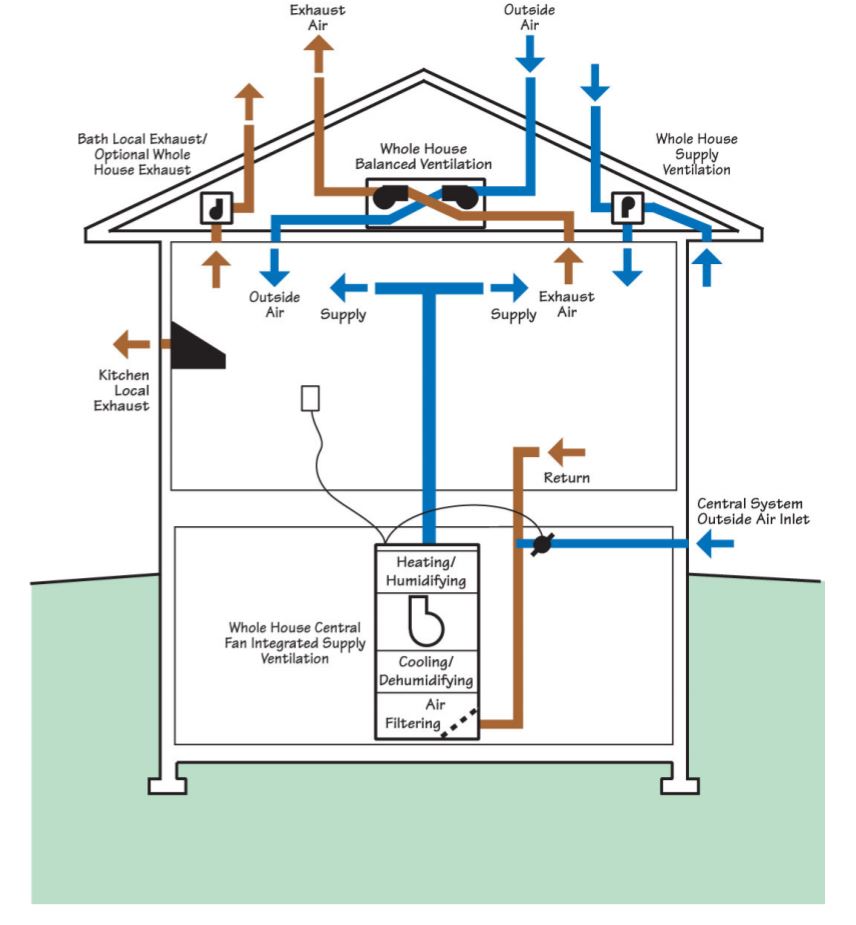
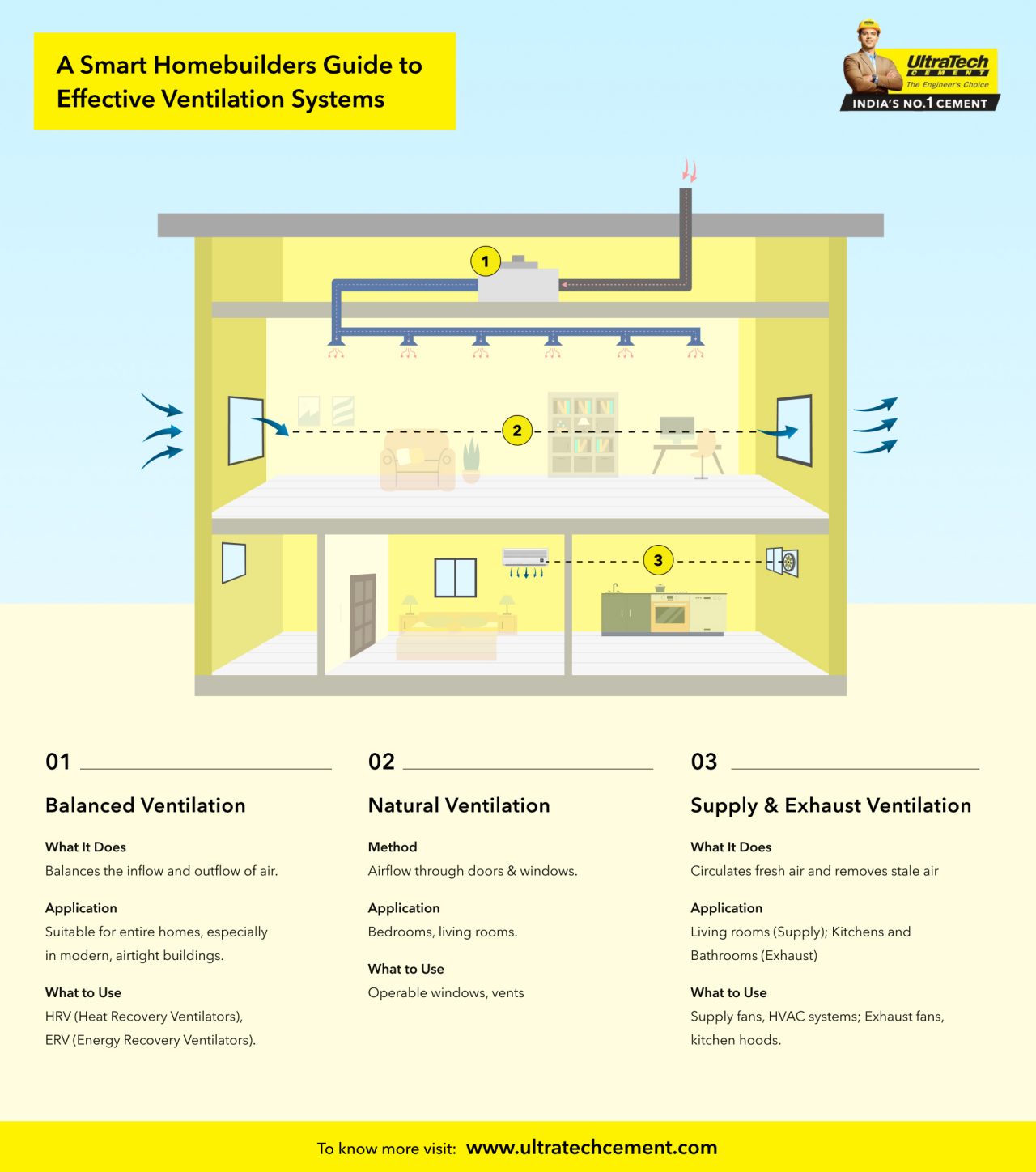
While several home owners may forget the relevance of ventilation, comprehending home air flow systems is essential for maintaining interior air top quality and stopping mold and mildew growth - Home Ventilation Melbourne. These systems assist in the exchange of stagnant interior air with fresh outside air, effectively reducing contaminants and wetness degrees. Typical kinds include all-natural ventilation, which relies upon wind and temperature distinctions, and mechanical ventilation, which uses ducts and followers to regulate airflow. Additionally, well balanced air flow systems incorporate both techniques to maximize air quality. Appropriately made and maintained air flow systems can assist control temperature level and moisture, ensuring a comfy living environment. Property owners should think about elements like home design, environment, and occupancy when picking an air flow system to ideal match their needs and improve overall air high quality
The Influence of Humidity on Mold And Mildew Growth
Moisture plays a critical function in mold development, making it an important aspect for homeowners to check. Mold thrives in settings where moisture levels exceed 60%, as these problems offer the dampness needed for spores to germinate and multiply. High humidity can arise from numerous resources, including inadequate air flow, water leaks, and food preparation or showering activities. When humidity degrees stay elevated, mold and mildew can create quickly on natural materials such as textile, wood, and drywall. House owners need to utilize dehumidifiers and assure appropriate ventilation in areas vulnerable to wetness, such as bathrooms and cellars. Keeping indoor moisture between 30% and 50% can greatly decrease the threat of mold growth, adding to a much healthier living atmosphere.
Identifying Typical Indoor Allergens
Interior atmospheres can harbor a variety of allergens that influence health and wellness and comfort. Common indoor irritants consist of allergen, family pet dander, mold and mildew spores, and plant pollen. Allergen prosper in bedding, rugs, and furniture, feeding on organic product and contributing to breathing concerns. Animal dander, made up of little flakes from skin and fur, can activate sensitive reactions in sensitive individuals. Mold and mildew spores, often existing in damp locations, can proliferate and impact air high quality. Additionally, plant pollen can penetrate homes through open windows or on apparel. Identifying these irritants is essential for preserving a healthy and balanced indoor environment. Awareness of their existence enables home owners to take proactive measures to lessen exposure and enhance total indoor air quality.
Benefits of Appropriate Air Flow
Correct ventilation is important for preserving a healthy and balanced interior environment, as it helps to regulate air top quality and minimize the buildup of contaminants. Sufficient air movement assists in the exchange of indoor and outside air, thereby thinning down damaging materials such as unstable natural compounds, irritants, and dirt. This procedure not only click to read more improves convenience but additionally adds to the general health of passengers by reducing respiratory issues (Home Ventilation Melbourne). Correct ventilation successfully regulates humidity levels, minimizing the chance of mold growth and cultivating a drier setting conducive to wellness. Additionally, it can enhance power efficiency by making sure that cooling and heating systems operate much more successfully, bring about reduced power costs. In general, appropriate air flow is a crucial element in advertising a healthy and balanced and safe home

Tips for Improving Home Air Flow
Several homeowners may neglect it, enhancing home air flow is vital for improving air high quality and stopping mold and mildew development. One reliable approach is to routinely open windows to promote cross-ventilation, allowing fresh air to circulate. Installing exhaust followers in bathrooms and kitchens can successfully remove moisture-laden air, minimizing moisture levels. House owners need to additionally think about utilizing air purifiers with HEPA filters to catch allergens and pollutants. Routinely maintaining cooling and heating systems, including altering filters, guarantees come to a head air flow and effectiveness. Securing leakages around doors and windows can protect against outdoors air from entering, which aids preserve a consistent interior environment. Including houseplants can naturally boost air quality while including aesthetic worth to the home.
Often Asked Inquiries
Exactly how Often Should I Tidy My Home Ventilation System?
Figuring out how usually to clean a home air flow system depends on numerous elements, consisting of usage and ecological problems. Home Ventilation Melbourne. Typically, specialists recommend a comprehensive cleansing every 3 to five years to preserve ideal air movement and efficiency
Can Plants Help In Reducing Indoor Allergens?
Study shows that certain interior plants might help minimize irritants by improving air quality and boosting moisture. Their effectiveness varies, and preserving a clean atmosphere stays vital for taking care of interior irritants properly.
What Kinds Of Air Filters Are Best for Mold Avoidance?
Exist Particular Ventilation Requirements for Basements?
How Do I Know if My Ventilation Is Functioning Effectively?
To identify efficient air flow, one should keep track of moisture degrees, check air flow via vents, and observe signs of condensation or stagnant air. Normal assessments can show whether the system effectively circulates and exchanges indoor air.
Recognizing exactly how air flow systems feature and their influence on air quality could be the secret to a much healthier living room. While many house owners may overlook the value of air flow, recognizing home ventilation systems is important for preserving interior air top quality and stopping mold and mildew development. Common kinds consist of natural ventilation, which relies on wind and temperature differences, and mechanical ventilation, which utilizes air ducts and followers to manage air flow. Proper ventilation is crucial for keeping a healthy indoor environment, as it helps to regulate air quality and reduce the buildup of toxins. Lots of house owners may overlook it, improving home air flow is necessary for boosting air top quality additional info and stopping mold growth.
Comments on “The Hidden Health Risks of Poor Home Ventilation Melbourne”